
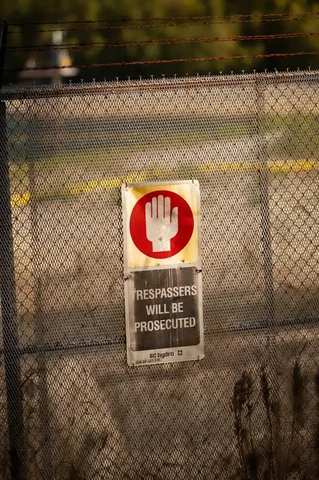
Why Travel Safety Has Changed in 2026
2026 has reshaped international travel in ways few could have predicted. The escalation of conflict in the Middle East — involving military operations, airspace closures across dozens of countries, and rapidly shifting government advisories — has forced millions of travelers to rethink their plans. The UK's Foreign, Commonwealth and Development Office (FCDO) has issued active warnings covering 33 countries, while the US State Department issued a worldwide caution alert advising all Americans to exercise increased vigilance regardless of destination. Yet travel has not stopped. Millions of people are still moving across borders every day — for work, family, adventure, and necessity. The difference in 2026 is that traveling safely requires more preparation, more flexibility, and more awareness than ever before. This guide gives you a clear, practical framework for doing exactly that.
Understanding Travel Advisory Levels: What They Actually Mean
Before you book anything, the most important step is understanding how government travel advisories work — and how to read them correctly. Most major governments use a four-level system, and knowing the difference between levels can mean the difference between a smooth trip and a dangerous one. Always check the official advisory for your specific destination, not just the country as a whole: conditions vary dramatically by region.
- Level 1 – Exercise Normal Precautions: The destination is considered generally safe. Standard travel awareness applies — watch your belongings, stay informed, and follow local laws. Most popular tourist destinations in Europe, Southeast Asia, and Latin America fall into this category.
- Level 2 – Exercise Increased Caution: Specific risks exist in parts of the country — crime, civil unrest, terrorism, or health concerns. Travel is still possible but requires research and heightened awareness. Several countries neighboring the Middle East conflict zone currently sit at this level.
- Level 3 – Reconsider Travel: Significant risks exist that could affect your safety. This is not an outright ban, but governments strongly discourage non-essential travel. If you must go, register with your embassy, arrange comprehensive insurance, and have a detailed emergency exit plan.
- Level 4 – Do Not Travel: The highest risk designation. Governments advise against all travel to these destinations due to life-threatening risks. As of early 2026, 22 countries carry this designation from five aligned Western governments — including parts of the Middle East, Yemen, Sudan, and others. If you are already in a Level 4 country, follow your embassy's evacuation guidance immediately.
The Middle East Conflict in 2026: What Travelers Need to Know Right Now
The escalation involving the US, Israel, and Iran since February 2026 has had a cascading effect on global travel far beyond the immediate conflict zone. Airspace closures have forced airlines including Emirates and Qatar Airways to reroute or cancel flights, adding hours to journeys and causing widespread disruptions even for travelers heading to destinations like Bali, Japan, and Australia. Here is a country-by-country snapshot of the current situation for the most relevant destinations in and around the region.
- Israel, Iran, and Yemen: All carry Level 4 'Do Not Travel' advisories from the US, UK, and most Western governments. Active military operations, missile activity, and airspace closures make these destinations completely off-limits for tourists. If you have existing bookings, contact your airline and insurance provider immediately.
- Dubai and the UAE: Dubai International Airport temporarily suspended operations in early 2026 but has since partially resumed. The FCDO advises travelers to verify their flight status directly with airlines before departing. The UAE remains a Level 2 destination for most Western governments, but the situation is fluid and can change rapidly.
- Egypt, Jordan, and Morocco: These popular tourist destinations have seen a spike in cancellations due to proximity to the conflict and regional instability concerns. Egypt's Sinai Peninsula (bordering Israel) remains under a 'Do Not Travel' advisory, but Cairo, Luxor, and Sharm el-Sheikh are not currently subject to direct warnings. Morocco has no advisory against tourist areas but the FCDO notes that regional escalation could change conditions quickly.
- Destinations affected by flight disruptions only: Countries like Thailand, Indonesia, Vietnam, and Japan are safe to visit but travelers may experience longer flight times, rerouted connections, and occasional cancellations as a knock-on effect of Middle Eastern airspace closures. Consider routing through Singapore, Bangkok, or Kuala Lumpur to avoid Gulf-connected hubs.
Before You Go: Essential Safety Steps for Any Destination
Regardless of where you are traveling, the weeks before departure are when smart travelers do their most important work. The following checklist applies whether you are heading to a high-risk region or a generally stable destination that could be affected by indirect disruptions.
- Register with your embassy: Most governments offer free traveler registration programs — the US has STEP (Smart Traveler Enrollment Program), the UK has the FCDO's registration service, and most European countries have equivalents. Registering ensures your government can reach you with real-time alerts and assist in an emergency or evacuation.
- Check and re-check your travel insurance: Standard tourist insurance often excludes war, civil unrest, and government-issued 'Do Not Travel' advisories. In 2026 this matters more than ever. Read your policy carefully and confirm it covers flight cancellations due to geopolitical events, emergency medical evacuation, and trip curtailment due to conflict escalation.
- Share your full itinerary with someone at home: Give a trusted contact your flight details, accommodation addresses, and a day-by-day itinerary. Agree on a regular check-in schedule — for example, a brief message every 24–48 hours. If you go silent, they know when to escalate.
- Prepare physical backup documents: Save digital copies of your passport, insurance policy, visa, and emergency contacts in secure cloud storage. Also carry physical photocopies kept separately from your originals. If your phone dies or is stolen, you still have what you need to get home.
While You Are There: How to Stay Safe on the Ground
Even in destinations with no active conflict, the indirect effects of a global security crisis can create unpredictable situations. These are the habits that experienced travelers and security professionals recommend for staying safe regardless of destination.
- Monitor official sources, not just social media: During a crisis, social media fills rapidly with misinformation, exaggerated reports, and viral content that creates disproportionate fear. Stick to official government advisory pages, your country's embassy website, and established news outlets for accurate situational awareness. Apps like the US State Department's STEP or the UK's FCDO travel alert email service are invaluable.
- Know your evacuation routes and local emergency numbers: When you check into accommodation, identify the nearest exit routes and ask staff about local emergency procedures. Save the local emergency number, the nearest hospital address, and your country's embassy phone number in your phone before you need them.
- Avoid large gatherings and high-profile symbolic locations: During periods of heightened geopolitical tension, protests, government buildings, military installations, and locations strongly associated with specific nationalities can become targets or scenes of unrest with very little warning. Keep a low profile and be cautious about advertising your nationality in unfamiliar environments.
- Use a VPN when connecting to public networks: In countries with restricted internet or active surveillance, a reliable VPN protects your communications, secures your banking and personal data, and ensures you can access the information you need even if local networks are restricted or monitored. This is especially relevant in countries bordering active conflict zones.
Tools That Every Safety-Conscious Traveler Needs in 2026
Having the right tools in place before a crisis occurs — not during it — is what separates prepared travelers from those who get caught off guard. These are the three categories where investing upfront pays off the most.
- Travel Insurance That Actually Covers ConflictSponsoredEkta offers international travel insurance plans designed for modern travelers, including coverage for trip cancellations, medical emergencies abroad, and evacuation scenarios. Always verify that your chosen plan explicitly covers disruptions related to geopolitical events — and get it before advisories are issued, as many insurers stop selling policies once a warning is in place.
- Flexible Flight Booking with Real-Time AlertsSponsoredAviasales lets you compare flights across hundreds of airlines and find flexible-fare options that allow changes or cancellations without heavy penalties. During a period of airspace disruptions and rapid advisory changes, booking a refundable or changeable fare can save you significant money and stress.
- A VPN for Secure Communication on the RoadSponsoredNordVPN is one of the most trusted VPNs for travelers, offering encrypted connections on public Wi-Fi, access to restricted content in countries with internet controls, and protection for your personal data and banking. In an environment where surveillance and restricted access are increasingly common near conflict zones, a VPN is no longer optional — it is essential.
Your Rights When a Conflict Disrupts Your Trip
One of the most stressful aspects of traveling during a geopolitical crisis is not knowing what you are entitled to when flights are cancelled or your destination becomes unsafe. Here is a clear summary of your rights as a traveler.
- If your airline cancels your flight: You are entitled to a full refund regardless of your fare type. Most major airlines have also introduced waiver policies for routes affected by the Middle East conflict, allowing free rebooking to alternative dates or destinations. Contact your airline directly and check their website for specific conflict-related policies.
- If you choose not to travel on a flight that is still operating: Your refund rights depend on your ticket type and the terms of your travel insurance. If your government has issued a Level 3 or Level 4 advisory for your destination after you booked, most comprehensive travel insurance policies will cover cancellation costs — but policies vary, so read the fine print carefully.
- If you booked a package holiday: Package tours sold by operators licensed under ATOL (UK) or equivalent consumer protection schemes in other countries must offer a full refund if your destination receives a travel warning that makes the trip impossible or significantly different from what was sold. Contact your operator as soon as a relevant advisory is issued — do not wait.
Travel Is Still Worth It — If You Prepare
The world in 2026 is more complicated than it was a year ago. But it has always been complicated — and people have always traveled through it, around it, and despite it. The goal is not to avoid travel out of fear but to approach it with the kind of preparation that lets you move confidently regardless of what is happening in the headlines. Check the advisories, get the right insurance, register with your embassy, and stay informed on the ground. Most importantly, connect with other travelers — local knowledge and community are among the most powerful safety tools available. The world is still open. Travel it wisely.